
Aesthetic Composite & Porcelain Veneers
A modern, reliable, and predictable technique for the aesthetic enhancement of the smile and overall facial harmony.
Book an AppointmentA modern, reliable, and predictable technique for the aesthetic enhancement of the smile and overall facial harmony.
Book an Appointment
Immediate aesthetic improvement
Minimally invasive and painless technique
Natural-looking aesthetic result
Composite & Porcelain Veneers
Composite resin is a restorative dental material used for direct restorations. It bonds to the tooth structure (bonding technique) and achieves its final form through UV light polymerization. Upon completion of the procedure, both dental functionality and smile aesthetics are immediately restored.
Veneers represent one of the most advanced and minimally invasive techniques in modern aesthetic dentistry. They are indicated for the correction of discolorations, minor imperfections, spacing, fractures, or mild positional irregularities, providing a natural, symmetrical, and luminous result. The objective of treatment is aesthetic harmony, respecting facial characteristics and natural expression.
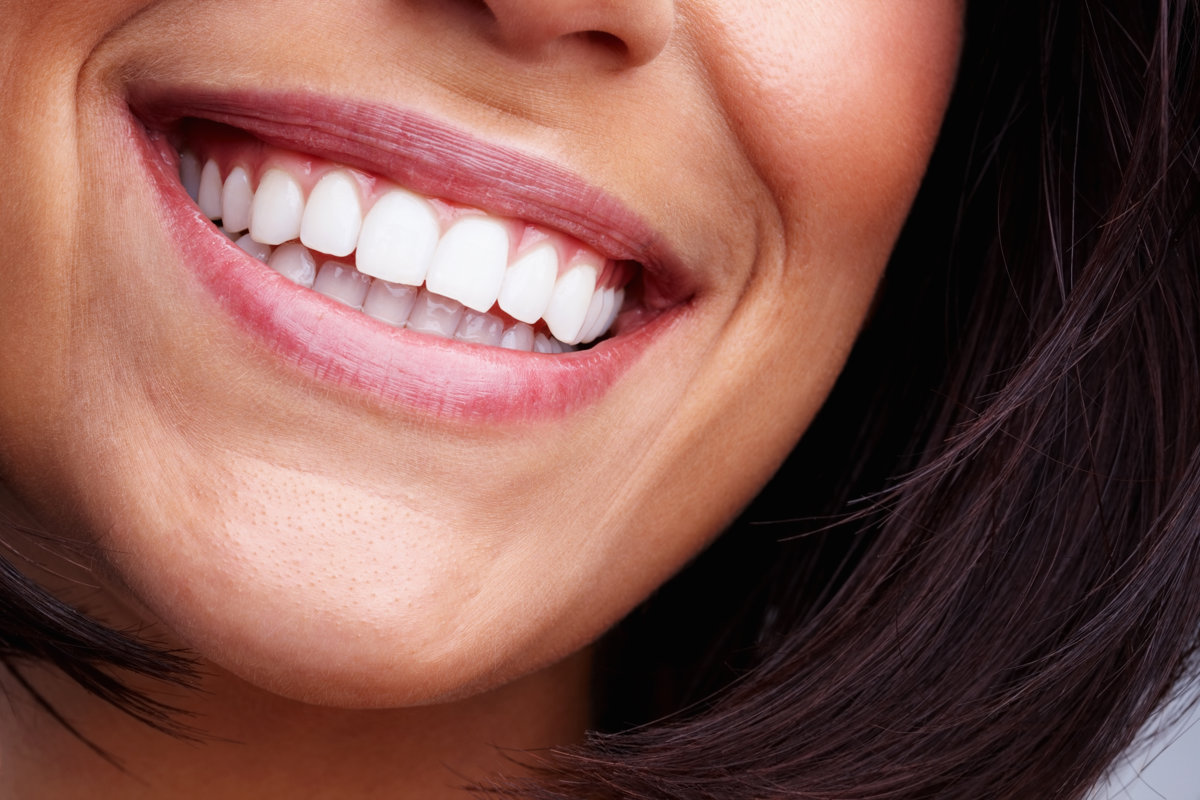
Composite resin is a restorative dental material for direct applications. It bonds to the tooth structure (bonding) and acquires its final form through light. polymerization, allowing immediate restoration of both function and aesthetics.
Composite veneers are typically completed in a single appointment, with minimal or no removal of tooth structure, and are indicated for mild aesthetic corrections.
Porcelain (all-ceramic) veneers are individually fabricated in collaboration with a specialized dental laboratory and are finalized following clinical try-in and evaluation before definitive placement.
The placing of porcelain veneers to dental tissues is performed using the porcelain bonding technique, ensuring long-term stability and integration.
When Are Composite or Porcelain Veneers the Ideal Solution?
Composite veneers are indicated in cases requiring restoration of decayed or worn teeth through direct restorations or reconstructions, as well as in immediate aesthetic interventions of anterior teeth where a fast and predictable result is desired.
They may also be used as intermediate mock-up restorations prior to definitive porcelain veneers, allowing the patient to evaluate the aesthetic outcome in advance.
Porcelain veneers represent an appropriate option when a faster and more cost-effective solution is required while maintaining a high aesthetic standard.
Composite veneers are usually completed in a single session, with minimal or no removal of tooth structure. They represent a conservative and more economical option for mild aesthetic corrections and immediate smile enhancement, preserving both dental function and natural appearance. In contrast, porcelain veneers are custom-fabricated in collaboration with a specialized dental laboratory and finalized after clinical try-in. Their bonding is achieved through the porcelain bonding technique. They are distinguished by their superior aesthetic performance and natural translucency that closely mimics natural teeth. They also demonstrate high resistance to staining and long-term durability, with a lifespan that may exceed 15-20 years when appropriate maintenance guidelines are followed.
Veneers are applied following strict bonding protocols and with full respect for the biology of dental tissues.


Below is a comparative overview to facilitate the decision between composite and porcelain veneers:
| Feature | Composite Veneers | Porcelain Veneers |
|---|---|---|
| Aesthetic Outcome | Natural and immediate, ideal for minor corrections | Excellent translucency and highly natural appearance |
| Longevity | 5–7 years, depending on maintenance | 15+ years with proper care |
| Treatment Time | Usually 2 appointments | 3–4 appointments (impressions, laboratory fabrication, try-in, placement) |
| Tooth Preparation | Minimal or none | Slight to moderate, depending on the case |
| Stain Resistance | More susceptible to coffee, tea, smoking, red wine | Highly resistant to staining |
| Repair / Modification | Easily repaired chairside | More complex, requires laboratory intervention |
| Cost | More economical option | Higher cost due to additional stages and laboratory fabrication |
| Ideal Use | Minor imperfections, discolorations, small gaps | Extensive aesthetic corrections, major discolorations, full smile reconstruction |
Step-by-step preparation for composite or porcelain veneers
1
Facial shape and proportions
2
Smile line
3
Skin tone
4
Occlusion and functional parameters

FAQ
Through advanced smile design techniques, digital intraoral scanning (intraoral scan), and professional photography of the face and teeth, we digitally design the desired result prior to final application.
The procedure is painless. Mild temporary sensitivity may occur but typically resolves quickly.
Composite veneers usually have a lifespan of 5–7 years, whereas porcelain veneers can last 15 years or longer when properly maintained.
Yes, but the approach differs. Composite veneers can often be repaired directly in the dental office, whereas porcelain veneers usually require laboratory intervention.
No, when applied following individualized clinical analysis and proper bonding protocols.
With composite veneers, tooth reduction is minimal or often unnecessary. With porcelain veneers, slight and controlled enamel preparation is usually required to ensure optimal fit and long-term stability.
The aesthetic outcome is predictable and long-lasting when based on accurate diagnosis and a personalized treatment approach.

