
Periodontology
Specialized prevention and treatment of gum diseases to preserve healthy, stable, and functional teeth.
Book an AppointmentSpecialized prevention and treatment of gum diseases to preserve healthy, stable, and functional teeth.
Book an Appointment
Contemporary periodontal treatment protocols
Early diagnosis and individualized therapy
Advanced technological equipment
Periodontology
Periodontology is the branch of dentistry dedicated to the prevention, diagnosis, and treatment of diseases affecting the gums and the supporting structures of the teeth, collectively known as the periodontium.
The periodontium includes the gingiva, periodontal ligament, alveolar bone, and the cementum covering the root surface. The health of these tissues is essential for the long-term stability of the teeth and the proper function of the stomatognathic system.

Gingivitis is a form of gum inflammation that typically causes bleeding spontaneously or after normal mechanical irritation (eating,brushing or flossing).
Periodontitis is an advanced inflammatory condition that also affects the alveolar bone.
If left untreated, the disease may lead to bone loss and ultimately to tooth loss. It is classified as early, moderate, or advanced, depending on the extent of tissue destruction.
Nearly 50% of the general population presents some form of periodontal disease.
When Is Periodontal Treatment the Ideal Solution?
Periodontal disease may cause bleeding, halitosis, gum recession, and tooth mobility. If not treated promptly, it leads to bone loss and impairment of masticatory function. It may also aggravate systemic conditions such as metabolic disorders (diabetes), cardiovascular diseases, tissue graft surgery and complications in pregnancy.
Early periodontal intervention allows effective control of inflammation and stabilization of the disease, protecting both oral and overall health.
Proper therapeutic management contributes to the preservation of natural teeth and the functional balance of the stomatognathic system.
Periodontology places strong emphasis on early diagnosis through specialized clinical examination and radiographic assessment, as well as on prevention of disease progression. Regular professional cleanings, proper daily brushing combined with floss and interdental cleaning, and a healthy lifestyle are fundamental for inflammation control. When disease is already present, treatment may include deep scaling and root planing to remove plaque and calculus from root surfaces, antibacterial therapy with topical or systemic agents, and in severe cases, surgical procedures such as open flap debridement and regenerative techniques using bone or soft tissue grafts. Early periodontal intervention enables effective inflammation control, disease stabilization, and preservation of natural dentition.
Following thorough clinical and radiographic evaluation, periodontal treatment is performed according to the most up-to-date scientific protocols. Techniques are applied with full respect for tissue biology, aiming at effective elimination of inflammation and preservation of dental stability.

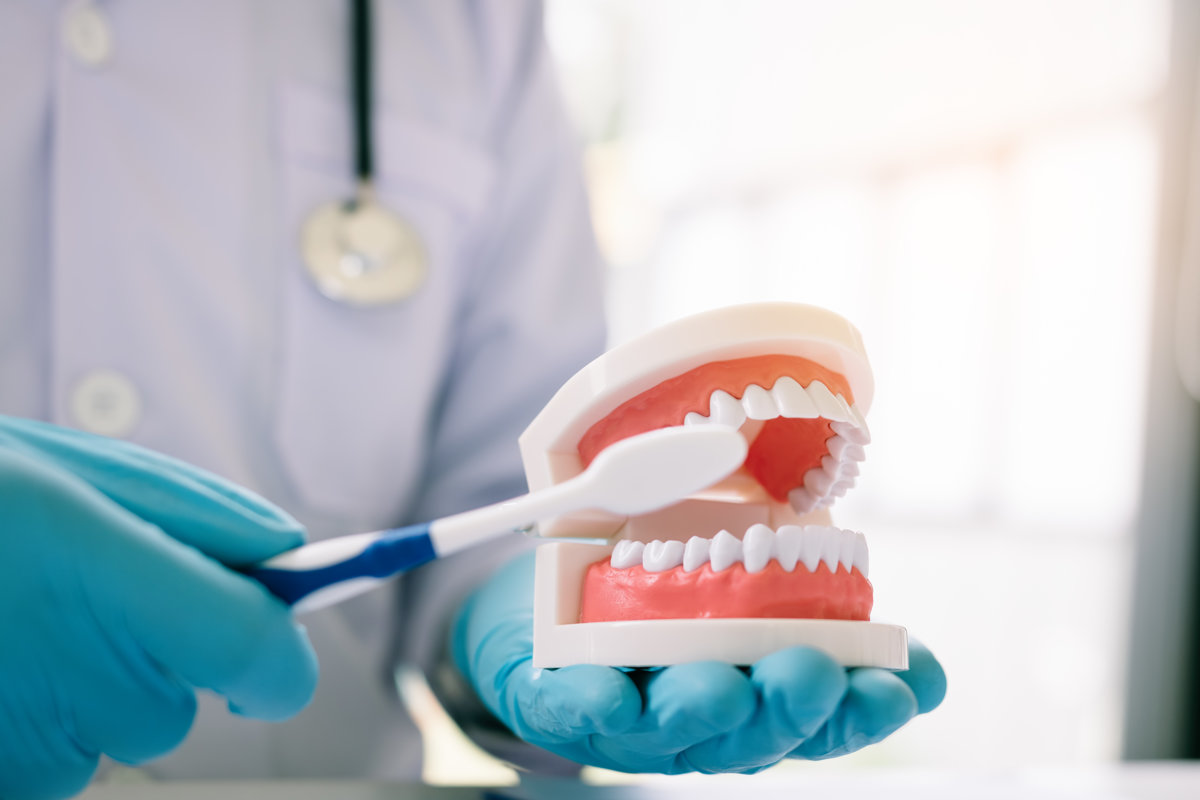
Gum health is based on consistency and proper daily care. Small but steady habits can prevent inflammation and maintain tooth stability for many years.
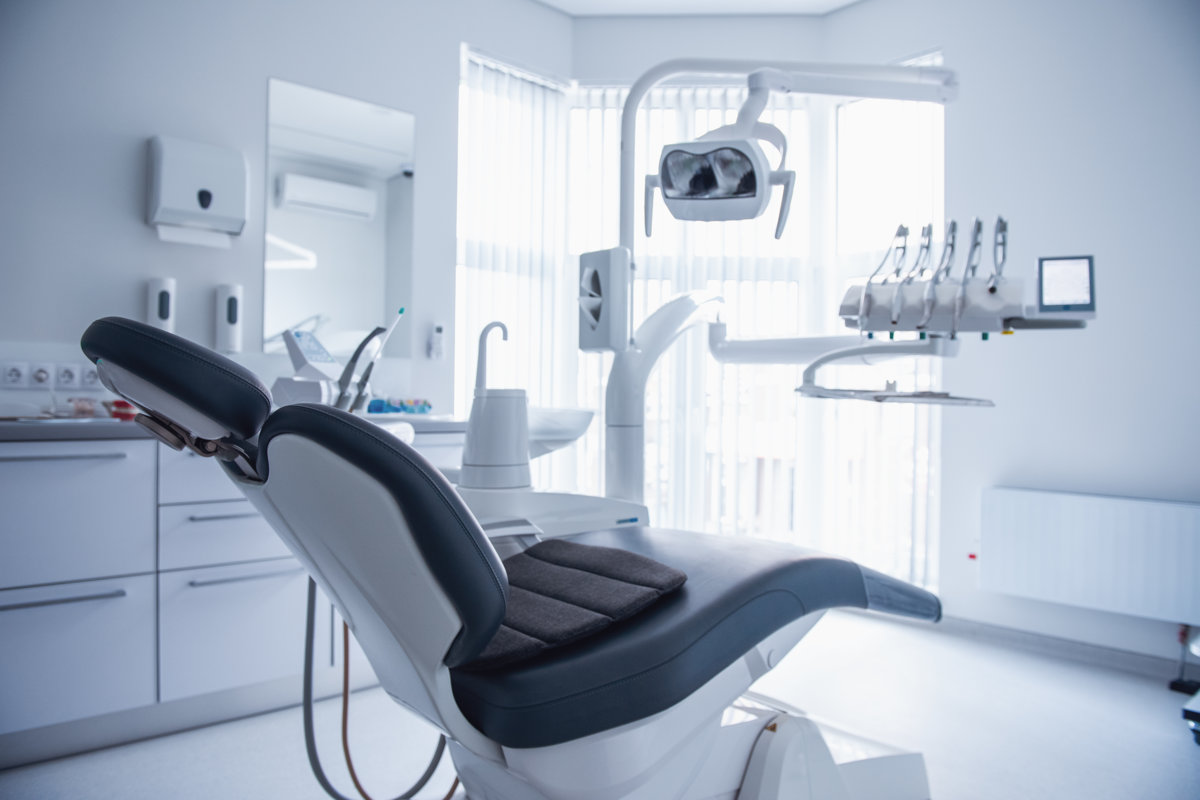
Step-by-step periodontal assessment
1
Clinical examination and periodontal pocket measurement
2
Radiographic evaluation
3
Determination of disease stage and severity
4
Individualized treatment planning
5
Follow-up and reassessment

FAQ
Dental implants are often accompanied by questions and concerns. We have gathered the most frequently asked questions so you can have a complete picture of the treatment.
A check-up is recommended every 6 months, or more frequently for high-risk patients.
Bleeding, swelling, bad breath, or gum recession require immediate evaluation.
Maintaining healthy gums is the foundation for long-term tooth stability and protection of overall health.

