
Dental Implants
A modern and reliable solution for restoring missing teeth, offering safety, functionality, and a natural aesthetic result.
Book an AppointmentA modern and reliable solution for restoring missing teeth, offering safety, functionality, and a natural aesthetic result.
Book an Appointment
Evidence-based treatment protocols
Modern implantology techniques
25 years of specialized clinical experience
IMPLANTS
Dental implants represent the greatest revolution in Dentistry in recent decades. In the 1960s, Swedish professor Per-Ingvar Brånemark discovered titanium’s ability to biologically and functionally integrate with bone when a properly designed surgical and prosthetic protocol is followed.
This discovery was named Osseointegration and fundamentally changed the course of dentistry and many other fields of medicine. Today, osseointegration is an established practice for the rehabilitation of patients with severe dental and skeletal conditions.
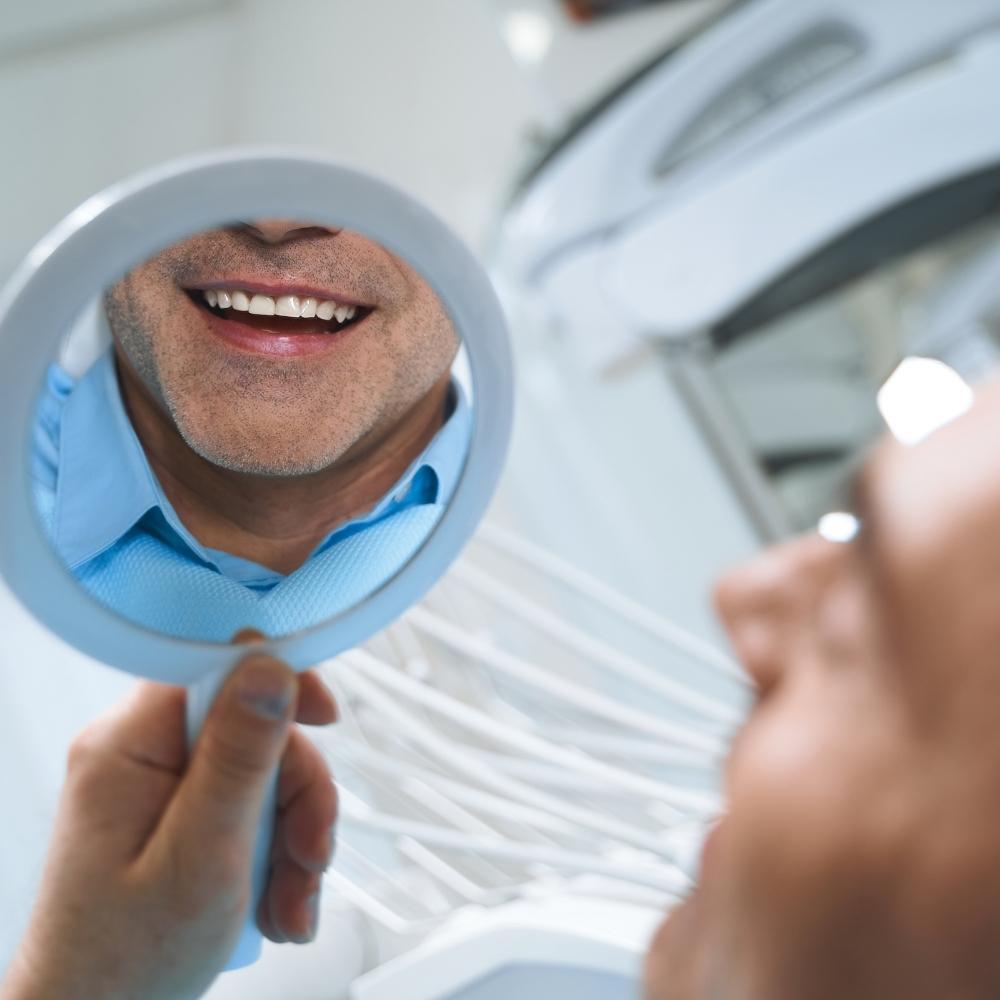
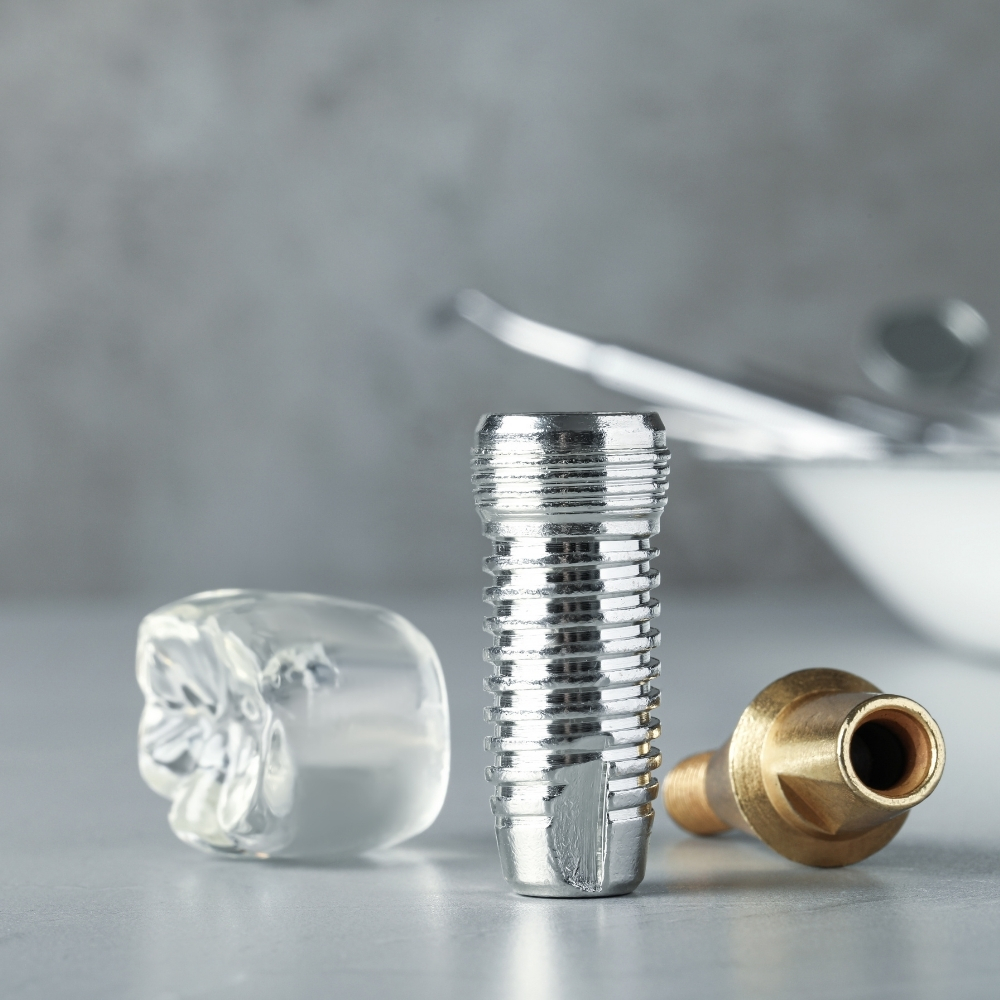
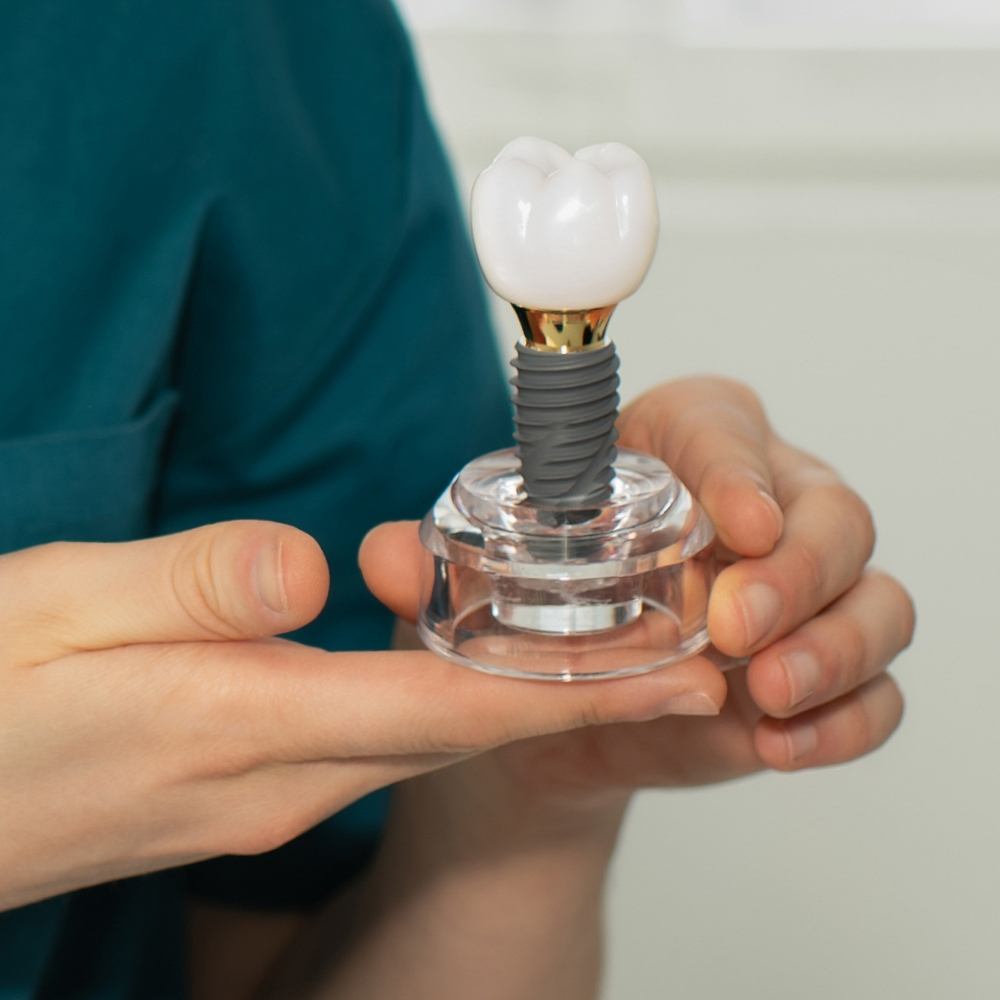
They are artificial roots that replace teeth that have been lost.
They are integrated into the jawbone through the process of osseointegration.
The final prosthetic restoration is placed on top of the implant.
They restore both chewing function and facial aesthetics.
When are dental Iimplants the ideal solution?
Tooth loss can create difficulty in chewing, affect the aesthetics of the smile, and alter the overall appearance of the face. Many patients feel uncomfortable with removable dentures and are concerned about the stability and long-term durability of a dental restoration.
Dental implants are a reliable solution for tooth restoration, as they provide stability, natural aesthetics, and functionality that closely resembles natural teeth.
The goal of the treatment is not only to restore oral health, but also to improve self-confidence and quality of life.
Dental implants offer significant advantages compared to other tooth restoration methods. They do not require the grinding of healthy adjacent teeth, as is the case with dental bridges, and they eliminate the need for removable dentures, which often cause discomfort.
They provide a stable and functionally complete result, allowing natural chewing and speech. At the same time, they help preserve the jawbone and prevent the bone resorption that follows tooth loss, supporting the maintenance of natural facial structure and a more youthful appearance.
Based on thorough preoperative assessment, our 25 years of clinical experience, and internationally documented scientific literature, dental implant treatment is considered safe and shows very high success rates.

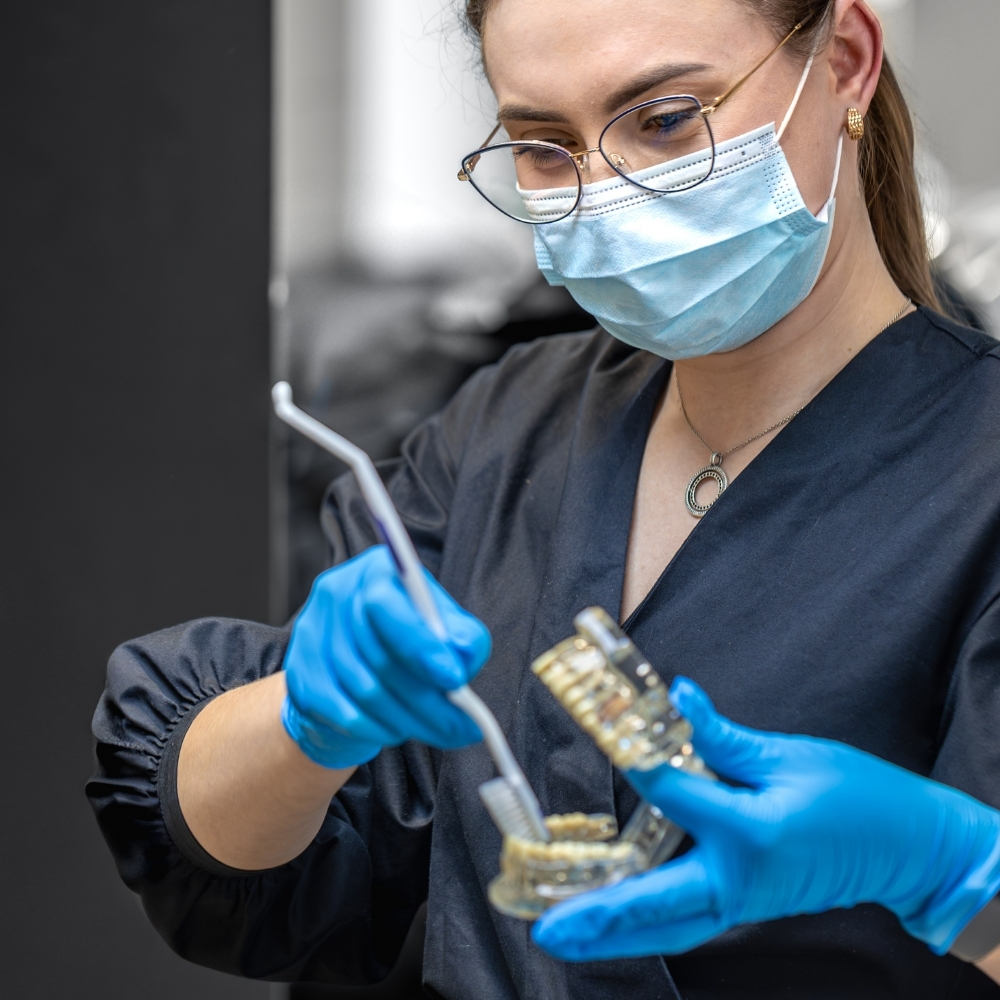
Advances in implantology today allow the restoration of missing teeth with techniques that reduce treatment time and improve the overall patient experience. Depending on the needs and clinical conditions of each case, modern methods can be applied that combine functionality, aesthetics, and comfort.
In cases where the surrounding tissues (bone and gums) allow it, the implant can be placed at the same time as the tooth extraction.
Advantages:
Immediate implant loading is one of the most advanced applications of modern implantology.
Prerequisites:
In these cases, the prosthetic restoration can be placed within a period ranging from a few hours to two days after the surgical placement.
During immediate loading, the postoperative course is usually painless, and within 24 hours both chewing function and facial aesthetics are restored.
Step-by-step dental implant treatment.
1
Clinical and radiographic diagnosis
2
Individualized treatment planning
3
Surgical placement of implants
4
Prosthetic dentistry
5
Follow-up and maintenance
FAQ
Dental implants are often accompanied by questions and concerns. We have gathered the most frequently asked questions so you can have a complete picture of the treatment.
Postoperative pain is generally mild and can be effectively managed with appropriate medication.
Depending on the extent of the procedure and the patient’s individual needs, it can range from three months up to one year.
Implants are intended to last a lifetime, provided there is proper maintenance and overall biological stability.
Good daily oral hygiene, regular dental check-ups, and care of overall health.