
Aesthetic and Functional Rehabilitation
Comprehensive solutions for the restoration of missing teeth and the re-establishment of functional balance within the stomatognathic system.
Book an AppointmentComprehensive solutions for the restoration of missing teeth and the re-establishment of functional balance within the stomatognathic system.
Book an Appointment
Restoration of function and aesthetics
Advanced biocompatible materials
High-precision digital planning
Aesthetic and Functional Rehabilitation
Prosthetic dentistry is the branch of dentistry concerned with the replacement of missing teeth and the restoration of the function of the stomatognathic system.
Its objective is not limited to the aesthetic completeness of the smile, but also includes the preservation of masticatory efficiency, dental integrity, proper occlusion, and the harmonious function of the masticatory muscles and temporomandibular joints.
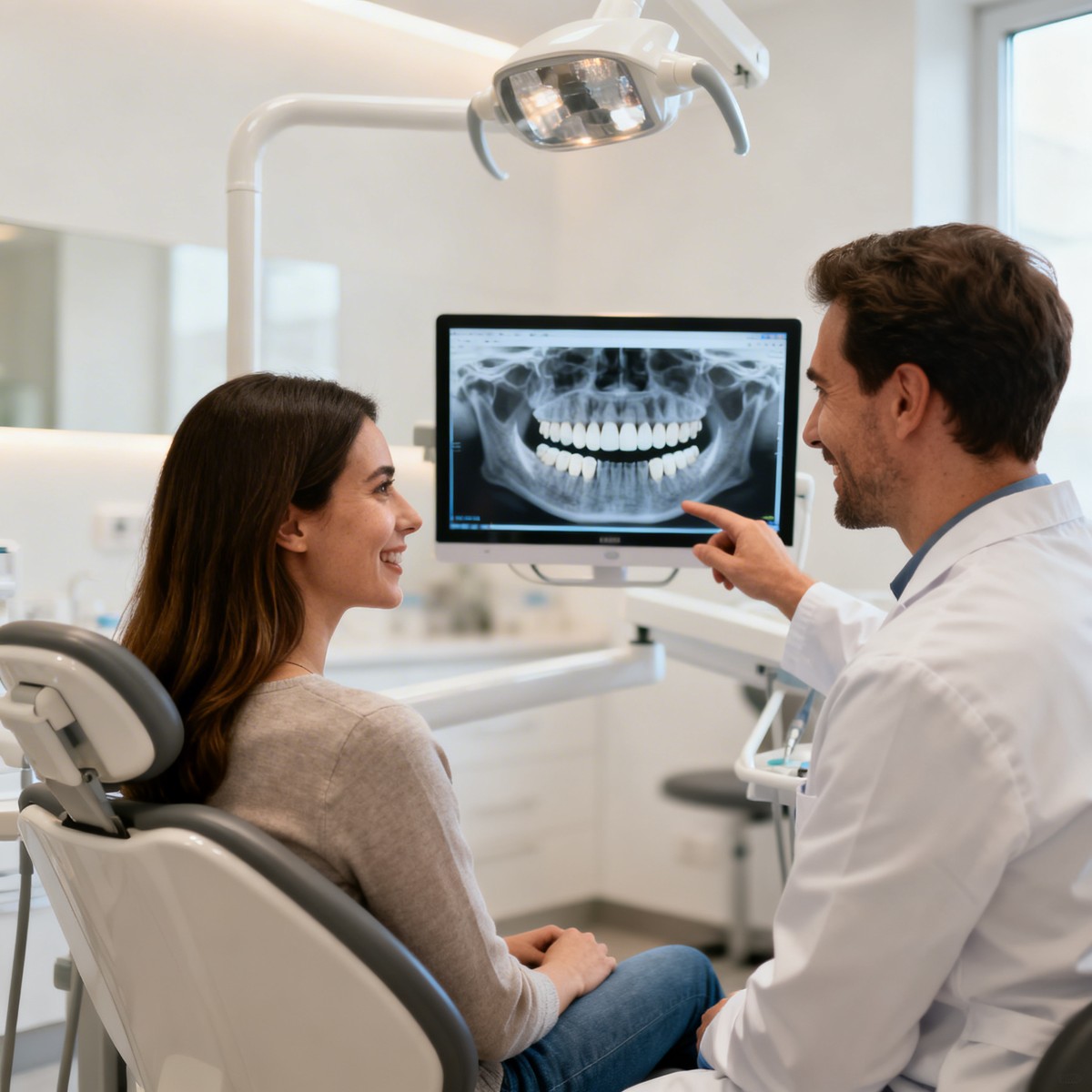
Crowns and bridges for the replacement of missing teeth and the protection of remaining tooth structure.
Dental implants for comprehensive functional rehabilitation of partial or total tooth loss.
Removable dentures when fixed prosthetic solutions are not feasible.
Combined prosthetic restorations tailored to the functional and aesthetic needs of each patient.
When Is Prosthetic Treatment the Ideal Solution?
Prosthetic treatment is the ideal solution when restoration of dental occlusion and re-establishment of correct tooth positioning during jaw closure are required.
Through individualized planning, balanced occlusal contacts are achieved and normal function of the stomatognathic system is restored.
Proper occlusal rehabilitation is essential for optimal masticatory function, stability of the masticatory muscles and temporomandibular joints, and the prevention of excessive tooth wear and fracture caused by incorrect occlusal contacts.
Prosthetic dentistry plays a significant role in managing tooth wear caused by bruxism and in restoring overall function of the stomatognathic system. Through individualized interventions, worn dentition is rehabilitated and dental sensitivity during mastication and thermal changes is reduced. At the same time, occlusal stabilization is achieved, leading to decreased muscular fatigue, reduction of temporomandibular joint disturbances, and alleviation of symptoms such as headaches and facial pain. Restoration of lost anterior tooth length contributes to improved facial aesthetics, while the use of occlusal splints and specialized restorations supports neuromuscular balance and long-term functional stability.
Prosthetic restorations are performed under strict adherence to clinical protocols and with full respect for the biology of dental and periodontal tissues. The use of highly biocompatible materials and their precise application ensure stability and long-term treatment success.
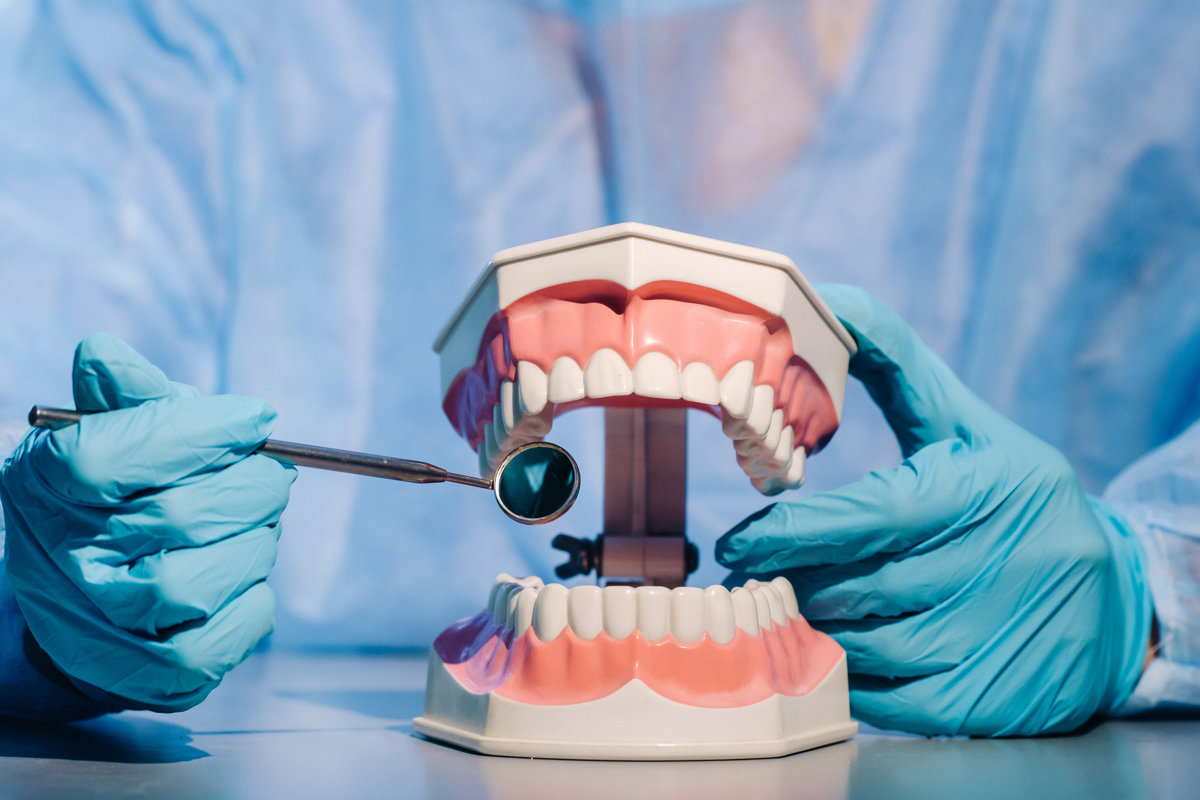
Advances in digital dentistry and modern biomaterials allow the restoration of missing or worn teeth with increased precision, reduced treatment time, and long-term stability.
Prosthetic dentistry utilizes highly biocompatible materials such as zirconia for crowns and bridges with natural aesthetics, and titanium for implant-supported restorations with excellent osseointegration.
Advantages:
CAD/CAM technology enables digital design and robotic fabrication of highly precise restorations, optimizing occlusion and fit.
Advantages:
3D printing technology and digital prosthetic software allow three-dimensional simulation and precise treatment planning before final placement.
Advantages:
The combined use of digital technology and advanced materials ensures durable and aesthetically refined restorations, tailored to the needs of each patient.
Step-by-step prosthetic rehabilitation
1
Clinical and radiographic diagnosis
2
Occlusal analysis
3
Individualized treatment planning
4
Impressions, fabrication, try-ins and final placement of prosthetic restorations
5
Follow-up and maintenance
FAQ
Τα οδοντικά εμφυτεύματα συχνά συνοδεύονται από απορίες και ανησυχίες. Συγκεντρώσαμε τις πιο συχνές ερωτήσεις, ώστε να έχετε μια ολοκληρωμένη εικόνα της θεραπείας.
Most prosthetic procedures are performed under local anesthesia and are painless. Any postoperative discomfort is typically mild and temporary.
Longevity depends on the type of restoration, oral hygiene, and functional habits. With proper maintenance, crowns and bridges may last for 15-20 years, while implants are intended for long-term use.
No. When treatment planning is based on accurate occlusal analysis, normal masticatory function and balance of the stomatognathic system are restored.
Daily meticulous oral hygiene, interdental cleaning, and regular dental follow-up every 6 months are necessary to monitor functionality and stability.
Yes. Proper restoration of lost vertical dimension and occlusion supports facial soft tissues, improving profile, symmetry, and overall facial appearance.
Η προσθετική διασφαλίζει ότι κάθε ασθενής αποκτά υγιή δόντια και προλαμβάνει προβλήματα που επηρεάζουν τη μακροχρόνια υγεία του στόματος και της γνάθου.